
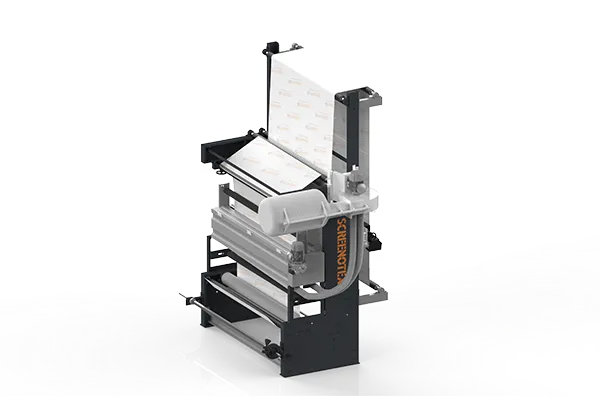
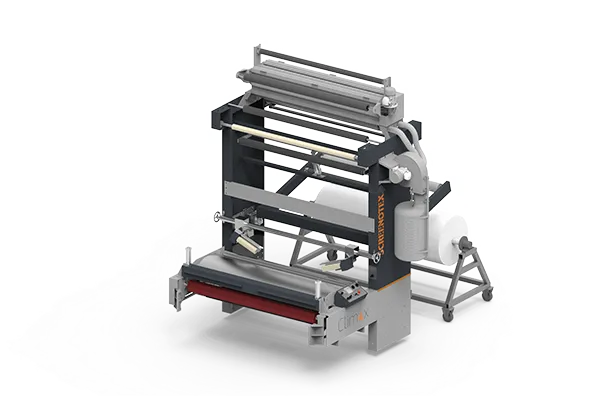
In textile screen printing, print quality is often decided before the fabric ever touches the screen. Dust, lint and loose threads carried on the fabric surface find their way into screens, under squeegees and across the production floor, causing defects, stoppages and avoidable rework.
A fabric brushing and cleaning unit solves this problem at the source. As an experienced fabric brushing machine manufacturer in India, Screenotex Engineers builds this unit to clean fabric automatically at the infeed of flatbed and rotary screen printing machines, so that only clean fabric enters the printing zone.
What Is a Fabric Brushing and Cleaning Unit?
A fabric brushing and cleaning unit is a compact pre-printing auxiliary machine. It removes loose dust, lint, fluff and stray threads from the fabric surface immediately before printing.
Unlike brushing machines used in fabric finishing to raise a pile or change the handle of the fabric, this unit does not alter the fabric itself. Its only job is to clean the fabric: dislodge loose particles with brush rolls and extract them through suction before they can reach the printing machine.
The unit is mounted on the infeed of a printing machine, such as a flatbed screen printing machine or a rotary screen printing machine, and works in line with production. No separate process step, additional handling or extra floor space is needed.
Why Fabric Cleaning Before Printing Matters
Greige and pre-treated fabrics often carry loose fibres, lint and dust from weaving, knitting, processing and storage. If this contamination is not removed before printing, it creates problems throughout the print line.
Screen Choke-Ups
Loose fibres and lint are drawn into the fine mesh of flatbed and rotary screens with the print paste, blocking mesh openings. The result is missing print, uneven colour, frequent stoppages to clean screens, and shorter screen life.
Defects Under the Squeegee
Particles trapped between fabric and screen create uneven squeegee pressure, causing smudging, ink smearing and pin-hole defects. On long runs, small defects add up to significant rejection and rework.
A Dusty Production Floor
Lint and fibre released from the fabric settle on machines, dryers and the floor, and become airborne around operators. A dust-free printing hall is cleaner, safer and easier to maintain.
How the Screenotex Unit Works
The unit cleans the fabric in a simple, continuous sequence as it is fed into the printing machine:
Fabric Infeed
Fabric enters from the motorised infeed unit at production speeds of up to 3000 metres per hour.
Dual Brush Action
Two positively driven brush rolls contact the fabric across its full width and loosen dust, lint and threads.
Suction Extraction
A heavy-duty suction blower immediately draws the dislodged particles away, before they can resettle.
Clean Outfeed
Clean, dust-free fabric moves directly into the printing machine.
Key Features
- Dual positive-driven brush rolls: independently driven rolls give uniform contact across the full fabric width without slippage.
- Heavy-duty suction blower: an industrial centrifugal blower pulls dust and fibre away from the fabric surface.
- Dust collection filter bag: extracted particles are collected in a sealed, removable bag that can be cleaned during routine maintenance.
- Fabric guide rolls: precision-aligned rolls maintain steady fabric tension and alignment to prevent skew before printing.
- Compact design: mounts on existing infeed units without changes to floor layout or major infrastructure work.
- All fabric widths supported: configured to suit the working width of your printing line.
Benefits for Textile Printers
Fewer Screen Choke-Ups
Removing fibres before printing reduces mesh blockage and extends screen life.
Better Print Quality
Clean fabric gives even squeegee contact and sharper, more consistent prints.
Less Downtime
Fewer stoppages to clean screens means more productive running time.
Lower Rejection
Fewer dust-related defects improve first-time-right output.
Healthier Workplace
A sealed collection system keeps fibre off the floor and reduces airborne dust.
Designed for Flatbed and Rotary Printing Lines
The brushing and cleaning unit is designed to work as part of the printing line, not as a standalone machine. It is mounted on the infeed of the printing machine and can be retrofitted onto existing Screenotex motorised infeed units without redesigning the line.
Because cleaning happens immediately before printing, the fabric has no opportunity to pick up fresh dust between cleaning and printing, which is a common problem when fabric is cleaned in a separate process and stored before use.
A high-speed unit that keeps pace with production
An auxiliary unit should never become the bottleneck of a printing line. The Screenotex unit is a high speed fabric brushing machine rated for up to 3000 metres per hour, matched to the feed speed of Screenotex flatbed and rotary printing machines.
Continuous in-line fabric cleaning, without reducing printing speed or production output.
Choosing the Right Manufacturer in India
When selecting a brushing and cleaning unit, printers should consider:
- Compatibility with their existing flatbed or rotary printing machine and infeed
- Fabric width and production speed of the line
- Effectiveness of suction and dust collection, not brushing alone
- Ease of maintenance and access to the filter bag
- Installation support and after-sales service
Among fabric brushing machine manufacturers in India, Screenotex offers the advantage of designing the cleaning unit and the printing machine together, so both work as one integrated line.
Conclusion
Clean fabric is the foundation of good printing. A fabric brushing and cleaning unit removes dust, lint and loose threads at the infeed of the printing machine, preventing screen choke-ups, reducing print defects and keeping the production environment dust-free.
To learn more about the Screenotex Brushing and Cleaning Unit, or to discuss adding it to your flatbed or rotary printing line, contact our team.
Frequently Asked Questions
What is a fabric brushing and cleaning unit?
It is a pre-printing auxiliary machine that removes loose dust, lint and threads from fabric using brush rolls and suction, just before the fabric enters a screen printing machine.
Where is the brushing and cleaning unit installed?
It is mounted on the infeed of a flatbed or rotary screen printing machine, so the fabric is cleaned in line, immediately before printing.
How does it prevent screen choke-ups?
By removing loose fibres and lint before printing, it stops them from being drawn into the screen mesh with the print paste, which is the main cause of mesh blockage.
Is this the same as a fabric finishing brushing machine?
No. Finishing brushing machines raise or modify the fabric surface to change its look and feel. The brushing and cleaning unit only cleans the fabric and does not alter its surface.
What production speed does the unit support?
The Screenotex unit supports speeds of up to 3000 metres per hour, matched to the feed speed of Screenotex flatbed and rotary printing machines.
Can it be added to an existing printing line?
Yes. Its compact design allows it to be retrofitted onto existing Screenotex motorised infeed units without redesigning the line.